

Finalised Design Outcomes:
Further Development: Animated Logo Video
Further Development:



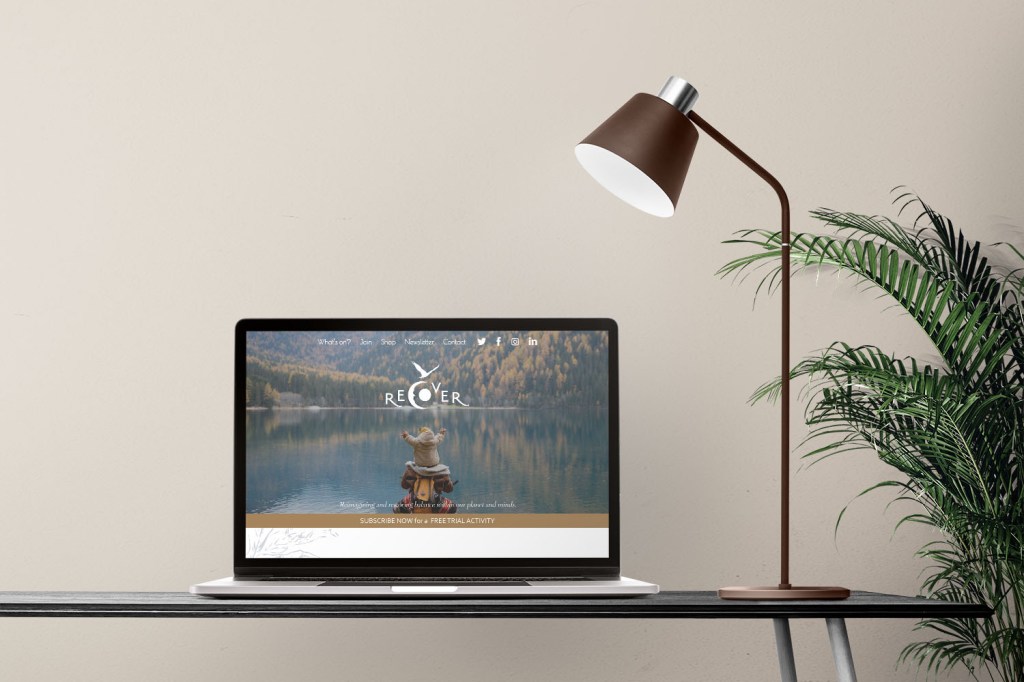
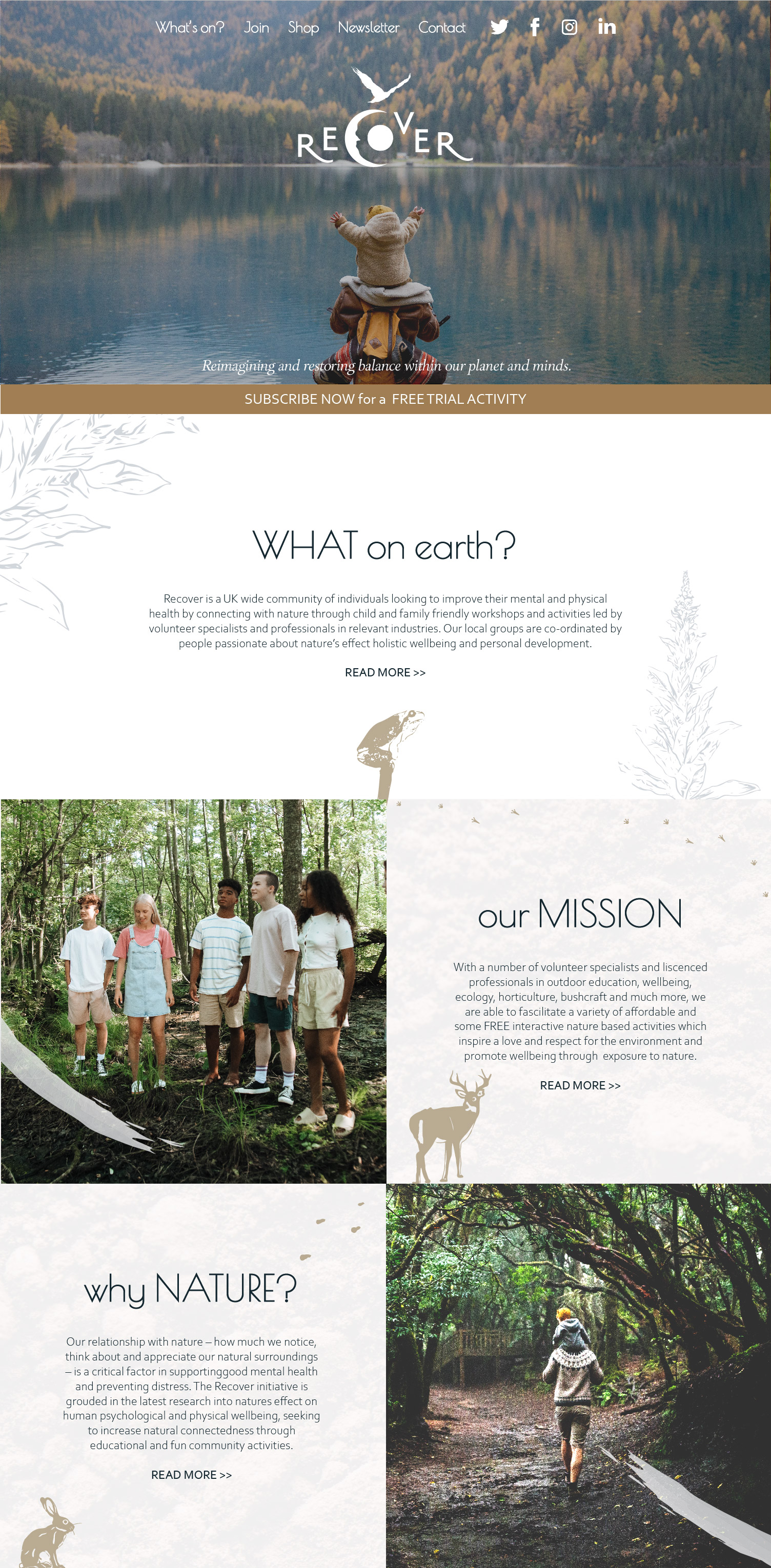
Final Web Design:


Evaluation
Research Course Material
Outcome and Ambition | Interviews
How does project evaluation help you, your clients/ audience measure effectiveness of your final outcome?
Torsten Posselt (FELD) highlighted the variation of approaches when evaluating a project, from extensive reports for larger project, smoother simpler reflections, highly technical data driven analysis or personal reflection on individual or group process. The personal process and project management approach is most appropriate due to the scale of this project and lack of access to tangible data. Considering the design context as a visual identity project, this was also validated by Stijn van der Ven (Eden Spiekermann) who emphasised the intangible nature of branding and the difficulty of achieving metric data, especially in short periods of time under a year.
Matthew Jones (Accept and Proceed) also identified this, acknowledging that ‘some things are unmeasurable’ in the context of branding project where the purpose is to innovate an emotional consumer perspective or ‘feeling’ towards a visual identity. He subsequently concluded that their design team ultimately measures success by ‘repeat business’ from clients who value the work.
Wouter Dirks, (Studio Dunbar) further outlined that ‘rarely identities are tested using cognitive measuring techniques’ due to the considerable expense and time, therefore the most practical evaluative strategy is to gather client or audience feedback to assess the commination and reception of brand values.
Torsten’s discussed the value of retrospective evaluation due to its potential to distance the designer from the process of making which requires narrow thinking. Alternatively, taking a step back and assessing a project outside the context of process facilitates open mindedness and fresh insights. I found this to be a helpful ongoing strategy throughout the concept development and final design stages, at times I became preoccupied by details that would prevent me from being able to consider more appropriate solutions.
How Designers Measure Success, Part 1 (2019)
"What is Success. The term success comes from the Latin word successus, and the Dictionary defines it as “the accomplishment of an aim or purpose”. Typically in Product experiences, specifically in software design experiences, Design is a crucial discipline that is currently leveraged to bring insight on multiple levels as organizations embark on a process of finding a solution.
These solutions are hopefully ones that bring delight and satisfaction for their clients, therefore generating revenue, brand awareness, longevity, among many other hopeful positive reflections, but also these are solutions that reflect a satisfactory process by which they were achieved".
Critical Reflection:
Pedro Canhenha's article regarding the definition of design success and failure enabled me to consider varying approaches to evaluative criteria. For instance, he highlighted that design evaluation can be based "not only on the quality and validity of the solution, but also of the process itself (how it married the team’s needs, ambitions, ownership, timeliness and cost effectiveness)".
Although Canhenha accentuated the importance of data driven analysis and research informed practice, he also warned that "measuring success through a unique lens of self-explanatory and quantifiable market KPIs, is tremendously reductive. It’s fundamental that Designers learn to emphasize other factors that they and their teams have established when they embark on their journey, and that may include a wide variety of other factors, some pertaining to clients/users". Although quantifiable market KPI's aren't accessible in the context of this project, this highlighted the requirement for a more organic human centred evaluative approach which prioritised audience responses to the emotional properties of the visual identity project.
How Designers Measure Success, Part 2 (2019)
Critical Reflection:
Part two of Canhenha's article focused on how Designers measure their own personal success, in terms of career path/projection, evolution, and sustainability. This reminded me of the talk by Dixon Baxi, whose creative ethos involved being selective about collaborators and clients in order to maintain authenticity and identity within design practice. This further validated my decision to change design direction at a crucial stage where I felt stifled by the context of formal education and its multifaceted limitations. As this gave me confidence in my own practice due to my increased ability to respond to problems and think laterally about possible solutions, I feel that this stage of process is a platform to evaluate design success against personal values regarding the function of socially responsive design.
DBA, 2019 Grand Prix Winner: Sensodyne Daily Care Toothbrush (2019)
DBA, Cruga Biltong (2019)
The report the Sensodyne Daily Care Toothbrush clearly analyses the success of the design solution against the brief and the outlined problems it responds to. Similar to the Cruga Biltong report, this design project takes place in the context of an existing large brand, therefore hard data could be evaluated to track sales, market share value and audience engagement against a host of other factors such as changes to the original product as well as its visual identity.
Due to the scale of my project and its context as a proposed new initiative, the best way to evaluate its success is to reflect on original problems and objectives outlined within the brief and use stakeholder and audience feedback to determine its viability as a real world project.
Cruga Biltong also evaluates its success by acknowledging design developments against its previous identity. This could be reflected in my evaluation by critically analysing not just the end product, but the process holistically on reflection of things that were unsuccessful and how they informed future developments in alignment with market trends.

 CATHY DAVIES